
So, let’s put the last, I don’t know, 300 episodes of Relentless Health Value into perspective here. The USA wastes about $1.5 trillion a year on some combination of paying way too much for low-value care, fraud, and waste—$1.5 trillion down the drain. As my guest, Dave Chase, says in this healthcare podcast, if this was a country, what we waste would be the 11th biggest GDP in the world. We could call it Healthcare-istan.
Meanwhile, outcomes aren’t anything to brag about on the world stage, and 41% of American adults have medical debt in this country. Also, all across the country, people making all kinds of healthcare decisions to save money that are clinically toxic. Financial toxicity is clinical toxicity, right? You know this already. You listen to this show. I just saw yet another study the other day—actually this one about cancer outcomes and how they are appreciably worse when patients are worried about how much money their treatment will cost. And a lot of people in this country—many people with a Part D plan, commercial insurance with big deductibles—there’s a lot of people in this country who cannot afford tens of thousands of dollars in out-of-pocket spend every year.
But let’s change gears and talk about some good stuff, some inroads that are being made. Let’s talk about Rosen Hotels for a moment. Rosen Hotels is a bright spot, for sure, in all of this. They are a leading indicator of what is possible.
Rosen Hotels, which is a hotel chain in Florida, they saved over $450 million in healthcare costs and have healthier, happier employees. They spend 55% less per capita on health benefits despite having an employee population with significant health challenges. They saved so much money that Rosen was able to set up a scholarship fund so that not only kids of employees (and employees themselves) but also kids in the community can go to college. Turnover there is lower. Retention is higher. Employees are healthier. I mean, the ROI of a CEO and a CFO getting engaged and taking back control over their health benefits from third parties? It’s huge. Check out this article about Rosen and also Dave Chase’s TED Talk about Rosen.
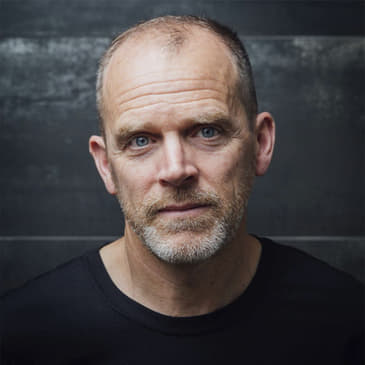
My guest today, Dave Chase, says that what they did at Rosen Hotels was actually an inspiration for Health Rosetta, which is the organization that he founded to help employers take control of the out-of-control dysfunctional health benefits market in this country. Dave Chase says that the Health Rosetta community knows something that most don’t (yet). Dave Chase has said that healthcare is fixed/fixable. He said that healthcare actually isn’t expensive. Clinicians only receive $0.27 of every $1 that’s ostensibly spent on healthcare. What is expensive is price gouging, profiteering, administrative bloat, fraud, and inappropriate treatment.
And Dave Chase has also said that we’re already investing more than enough money to not only fund world-class healthcare for everyone but also take all that money from Healthcare-istan and fund what drives 80% of health outcomes (ie, income, education, career opportunities, and clean air and water). There’s so much money that is being wasted in healthcare. But all of this other stuff could be funded if we simply pay what we should be paying. (See Dave Chase’s LinkedIn post to learn more about this.)
Health Rosetta currently has about five million lives stewarded through plans managed by their Health Rosetta advisors. That’s probably another bright spot right there—five million lives.
Another bright spot is the work of the Nuka System in Alaska. Listen to EP312 with Douglas Eby, MD, MPH, CPE. The Nuka System has won award after award for being one of the best health systems in the country, and it serves a challenging patient population for less money than most Medicaid plans.
So, here you have two entities, Rosen Hotels and the Nuka System, dealing with (on a good day) patient populations with multiple chronic conditions, high maternal mortality … At Rosen, 56% of their pregnancies are categorized as high risk, which not only has generational human consequences, of course, but is also a notorious budget-buster, as Dave Chase has said. There’s substance abuse issues. These are patient populations who are doing appreciably better and cost far less than if they were covered by almost any other health plan in this country.
Here’s yet one more bright spot example company, and that’s Pacific Steel. During our conversation, Dave Chase mentioned that the CFO of Pacific Steel said that when they went from spending $8 million in health benefits a year to spending under $3.5 million—basically cutting their healthcare costs in less than half—the CFO said that in order to make that same amount of net income, Pacific Steel would have had to raise their top-line sales revenue by 25% to 30%. So, okay … you’re a CEO, and here’s your choice to appease your shareholders or make your own bonus. Option A: Go out right now and figure out how to sell 30% more. Or Option B: Get your healthcare house in order, which may also improve retention if you do it right. To me, this doesn’t seem like a head-scratcher.
Two things that Dave Chase also brought up during our conversation that I thought were thought provoking. First, change is happening regionally and seems to adhere to the so-called “rule of three,” meaning that if three employers have worked with a qualified employee benefit consultant (EBC) and really fixed up their health benefits, then a cascade will start in that region.
And secondly—and I never thought about this before—we spend over $4 trillion through various health plans (employer, ACA, Medicare, Medicaid), and yet have little to no objective mark of value for how good any given health plan is. The closest thing, as Dave Chase says, might be Medicare Advantage Star Ratings. To address this problem, Health Rosetta invested seven figures to build a Plan Grader™. This really helps employers make sure that the plan they put in place is a win-win the whole way around.
You can learn more at healthrosetta.org or by emailing Dave at dave@healthrosetta.org.
Dave Chase leads the mission for Health Rosetta, which is to empower community-owned health plans (COHPs) with the vision of COHPs everywhere. Health Rosetta’s purpose is creating and reinvesting the Health Rosetta Dividend (ie, redeploying the currently wasted $1.5 trillion in healthcare to a higher and better use—the social determinants of health such as income, better food, etc).
Health Rosetta makes health plans local, organic, and sustainable transforming health plans from the number one driver of inflation, poverty, and bankruptcy to drivers of well-being and wealth.
Health Rosetta ends the 30-year heist of stolen income from the working middle class. Health Rosetta plans have restored the American Dream for tens of thousands of people, giving them raises/bonuses and healthcare they can access without fear of bankruptcy. Individuals that had sky-high deductibles and co-pays no longer have that as a barrier (typically they are $0). School districts that once couldn’t give teachers raises or had to have school levies to pay for music, art, and sports programs now have the funds (due to healthcare savings) to pay teachers more, have bigger class sizes, avoid cutting extracurricular programs, and more—all while giving teachers much better care outcomes.
Health Rosetta’s Plan Grader™ assesses the 40 most important attributes of a health plan “prescribing” proven strategies to transition into local, sustainable, world-class health plans.
Health Rosetta community’s transparency set a new industry standard and became the law of the land due to changes in laws that represent the largest change in employee health benefits since 1943.
Through best-selling books, writing for various media outlets, TED Talk, and TV/film, Dave has reached over 10 million people with the goal of engaging, equipping, and empowering a broad grassroots movement designed to restore hope, health, and well-being to our communities. Dave received the Health Value Awards’ Lifetime Achievement for Health Benefits Innovation at the World Health Care Congress.
Prior to Health Rosetta, Dave cofounded Avado, which was acquired by and integrated into WebMD/Medscape, and founded Microsoft’s $3-billion, 28,000-partner healthcare ecosystem.
Outside of work, Dave coaches the next generation of leaders as a high school track and cross-country coach of state champion teams and individuals. Dave was a PAC-12 800 meter and 4×400 competitor. Most importantly, devotion to faith, family, and friends underpin a desire to be a servant leader to the five million lives (and growing) stewarded through the Health Rosetta community.
06:57 Why did Dave Chase start Health Rosetta?
07:42 EP312 with Douglas Eby, MD, MPH, CPE.
07:51 How does Health Rosetta deem which health plans are succeeding?
11:07 What are the most important areas and factors for grading health plans?
11:22 EP365 with Scott Haas.
11:38 “That $1.5 trillion of waste, how is that possible? Well, it’s all codified in the contracts.”
12:18 “You can’t manage what you can’t measure.”
16:59 “What could be more disruptive than 30 years of wage gains stolen by the status quo health plans?”
17:39 “This is the last major area to modernize inside of corporate America.”
18:15 “This is not small dollars; there’s a tremendous opportunity.”
19:04 “Go back to PBM. That’s the first thing that starts to get at the care delivery side.”
21:52 “Can we even call it primary care if you can’t get in to that doc for weeks?”
25:03 Where does Health Rosetta get their data to assess health plans?
27:00 Who are these self-insured employers, typically?
29:48 “3.5% [is] where the market flips.”
31:57 EP367 with Doug Hetherington.
32:03 EP350 with Katy Talento.
33:13 “We like to fetishize big in this country.”